

FERROUS MATERIALS
NON-FERROUS MATERIALS
PAPER AND CARDBOARD
PLASTIC
WOOD
ELECTRONIC WASTE
(WEEE)
Recyclable products.
Resources for a circular world.
From scrap iron and non-ferrous metals to plastics, paper, wood and electronic equipment - we turn waste into quality raw materials.
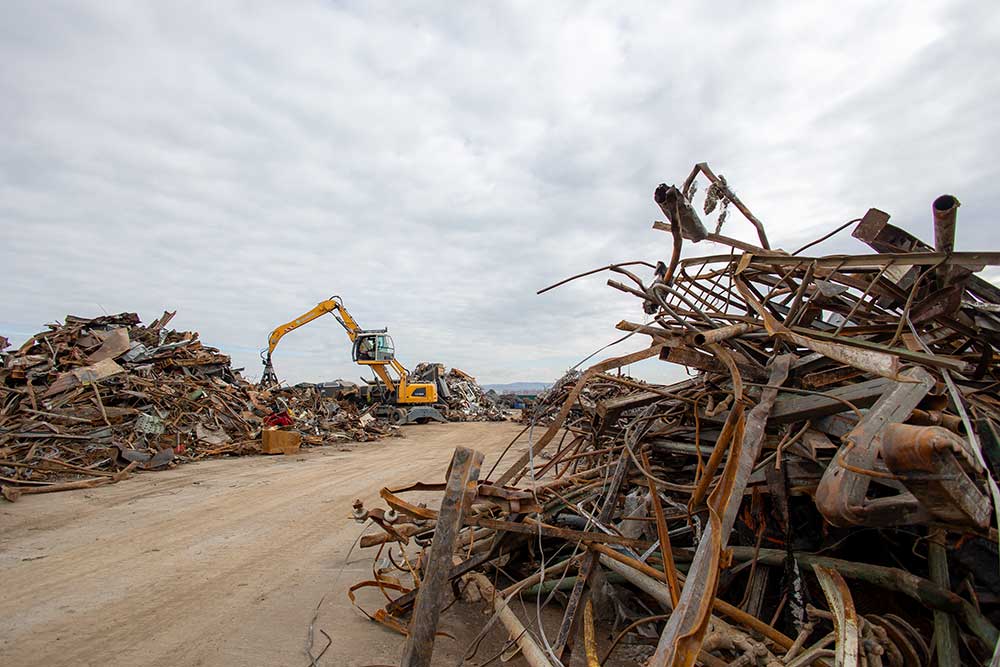
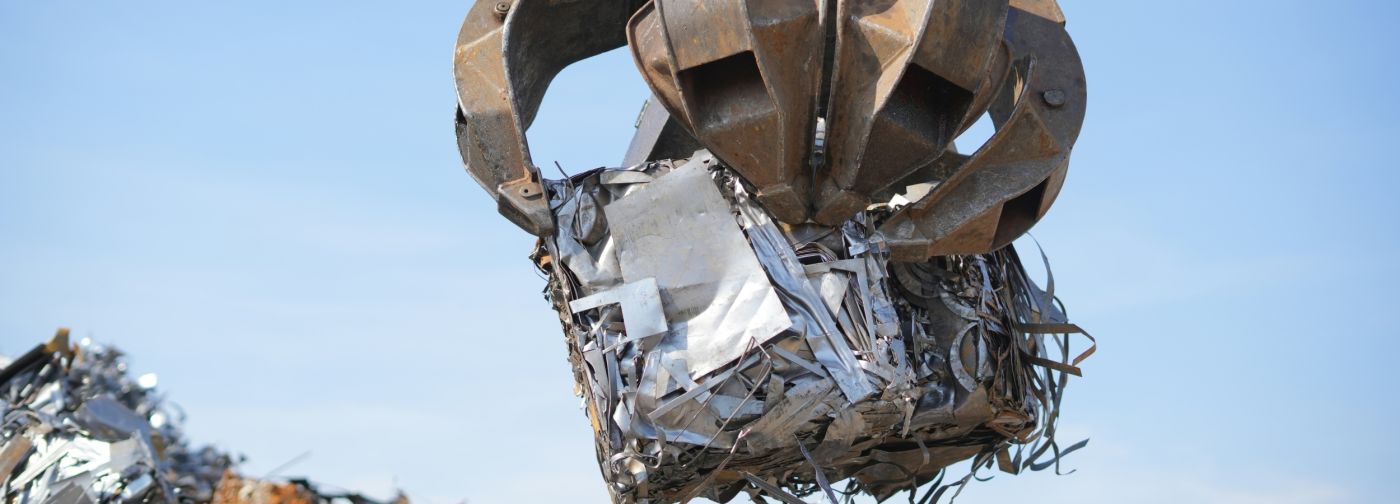
Ferrous reusable materials are an important part of our collection and processing business. They fall into several categories. In addition to scrap iron from economic operators, resulting from the production process (stampings, new sheet metal, pipe ends, rolled bars, shingles, etc.) and scrap from industrial demolition, ferrous recyclables from consumer goods are of increasing importance.
All these materials are processed in our own facilities according to technical and environmental standards and the secondary raw material is delivered to our partners.
The collection of ferrous scrap is done through an extensive own network, supported by the necessary logistics (trucks equipped with containers and racks, trailers, vans, etc). After processing, the secondary raw material is loaded into railcars, trucks, closed containers, river barges and sea vessels and delivered to steel mills, both at home and abroad.
Why Recycling Matters:
- Resource Conservation: Iron ore deposits are not infinite, so recycling reduces the need for mining.
- Energy Saving: Recycling steel uses much less energy than making it from scratch from ore.
- Sustainability: It contributes to a circular economy by transforming waste into new resources, an essential process for a sustainable future, according to.
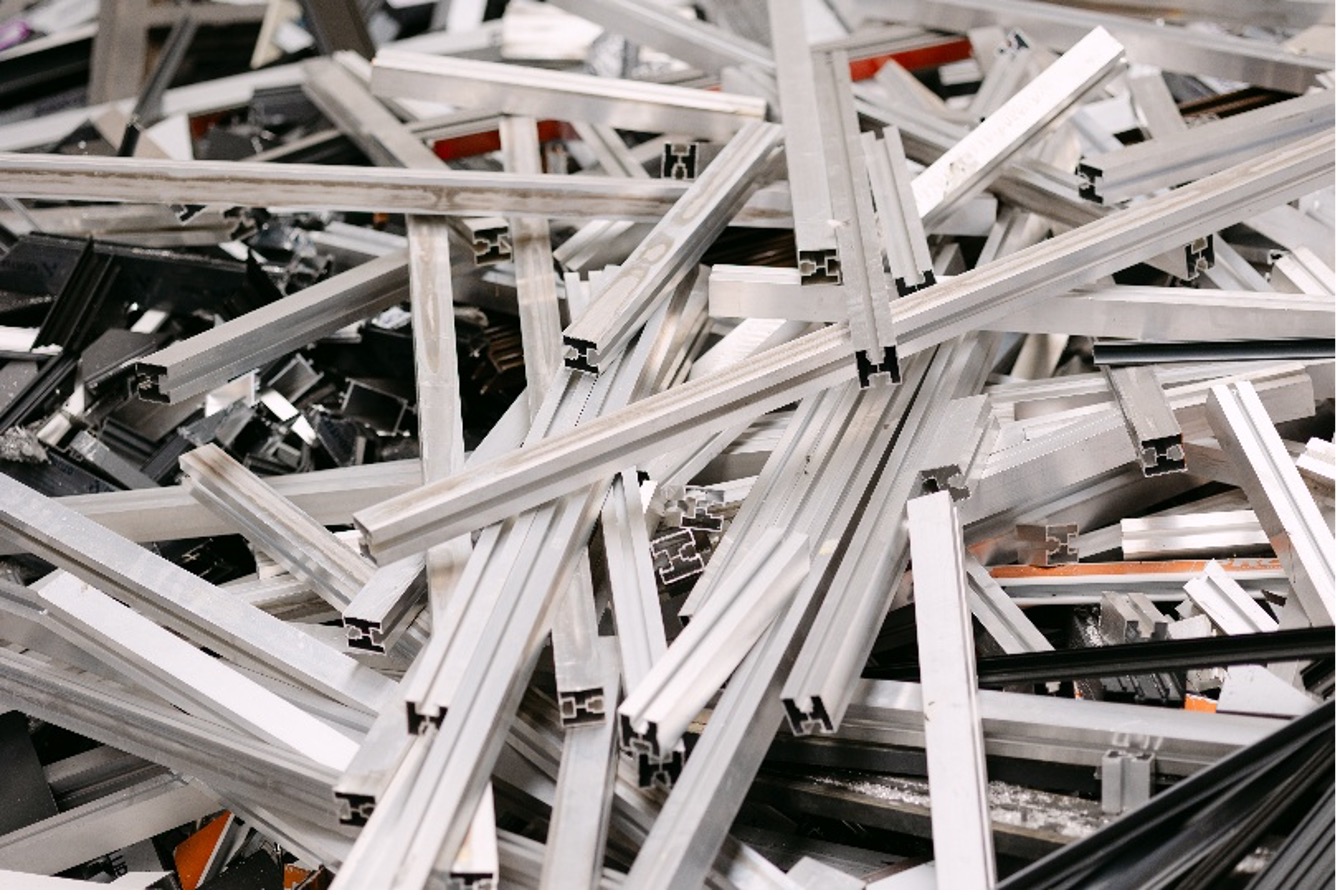
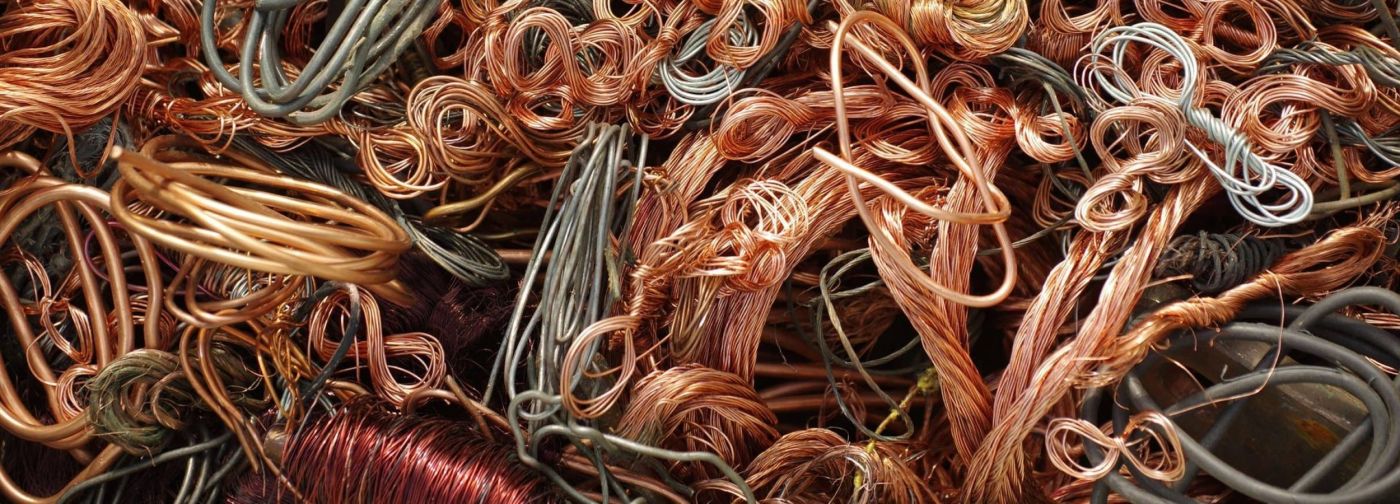
Non-ferrous reusable materials are a valuable part of the recycling chain. They result both directly from collection activity and from internal processing operations.
In our collection, processing and recovery activity we cover all types of non-ferrous materials, such as copper, brass, bronze, aluminum, lead, alloyed steels, from scrap, casting networks, turnings and stampings, parts or assemblies from scrapped fixed assets, household metal objects, used batteries.
Materials purchased from the territory are directed to a specialized center located in Zalău, entering a process of sorting and preparation according to the destination of each assortment, composition, purity level, size, etc.
Particular emphasis is placed on preparing materials according to the specific requirements of each partner.
Non-ferrous metals are delivered separately, by assortment, both loose and packaged.
The recycling of non-ferrous metals (aluminum, copper, zinc, tin, etc.) is crucial: 95% of the energy needed to produce them from ore (especially aluminum) is saved, a computer runs for 3 hours with the energy of a recycled can of aluminum, and these metals are 100% recyclable, essential for planetary sustainability. Non-ferrous metals are light, corrosion-resistant and are recognizable by the fact that they are not attracted to magnets, unlike ferrous metals (iron, steel).
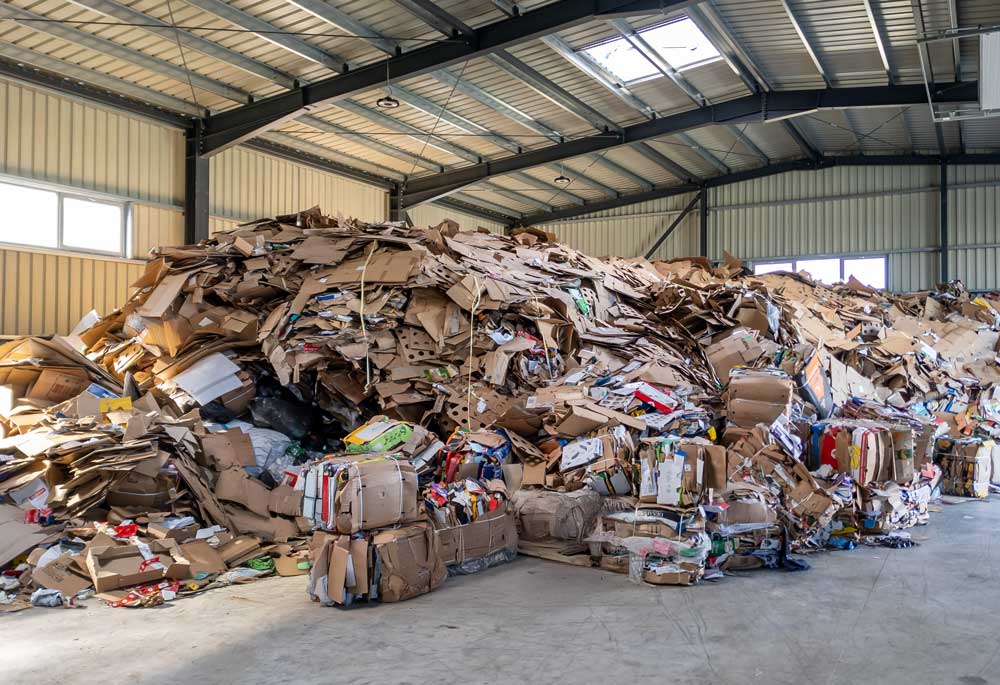
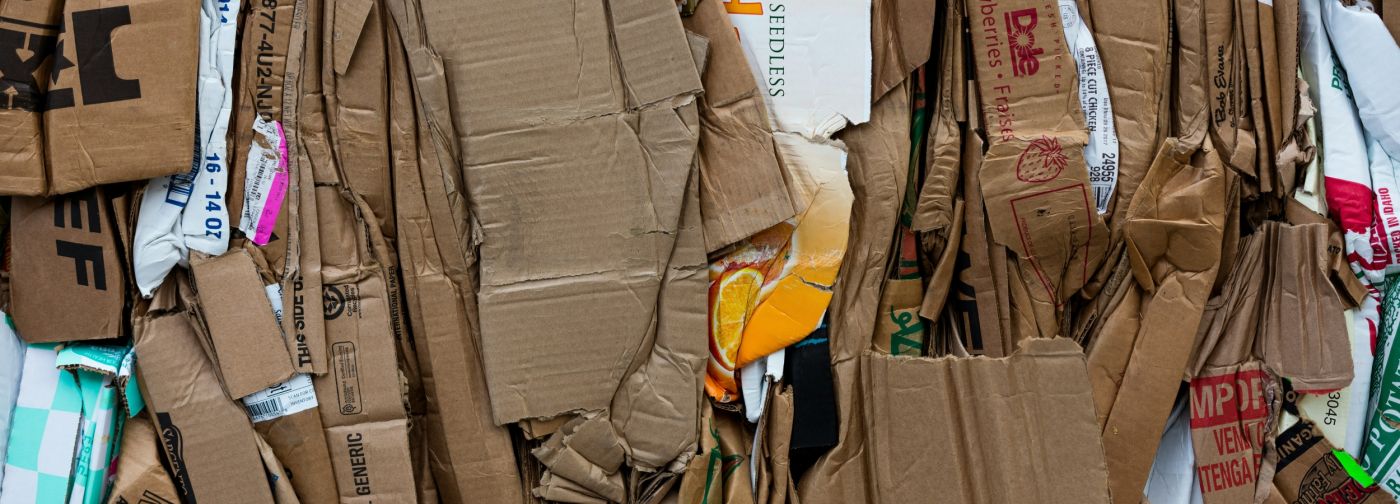
Paper and board waste is the most important secondary raw material for the pulp, paper and board industry, due to both environmental and economic implications, such as:
- Forest conservation, as one ton of pulp saves about 5 cubic meters of woodmass needed to make an equivalent amount of pulp, as well as 30,000 liters of water;
- The processing of pulp is carried out with 2-3 times less energy consumption than using cellulosic fibers, and air pollution is 80% reduced;
- Trees are the planet's lungs and one of the main weapons in the fight against global warming. A mature leafy tree produces in one season the oxygen required by 10 people in a year.
The paper is collected from various sources (population, companies, industry, chain stores, public institutions, etc.) and is of several types (waste paper, packaging, archive). It is sorted and grouped separately, i.e. baled into different types to make it easier to handle and transport, and then converted by paper mills into pulp.
The baling of cardboard waste is carried out using presses placed both in REMATINVEST, as well as to group companies. The resulting bales have a high density and allow easy storage and transportation.
In general, paper and cardboard can be recycled between 6 and 10 cycles, as the fibers become shorter and weaker with each recycling process.
Benefits and Impact
- The corrugated board industry has one of the highest recycling rates of all packaging materials in use today.
- Most corrugated boxes are made from 70% to 100% recycled materials.
- Recycling cardboard helps save trees and reduce landfill waste
What happens to recycled cardboard
Recycled cardboard can be turned into a variety of new products, including toilet paper, paper towels or even eco-friendly building materials.
The recycling process involves sorting, shredding, mixing with water and chemicals to break down the fibers and form new cardboard sheets.
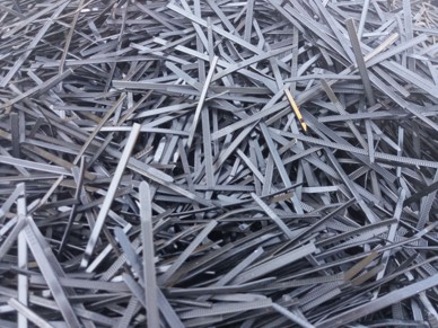
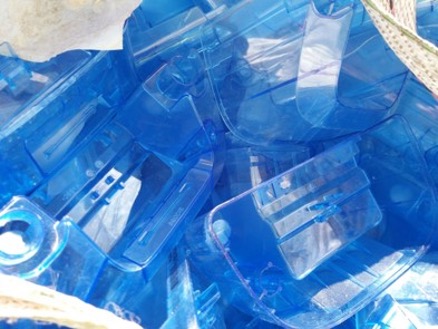
Today, the collection, recycling and reuse of plastic waste is of particular importance.
The general public, which is a major generator of waste, should be aware that by making selective collection at source more efficient, the recovery and recycling effort for this waste is considerably reduced. In addition, as is well known, sanitation services are paid per cubic meter of waste collected, and, for example, 70% of the total volume of household waste is made up of foil, plastic, paper and cardboard.
We collect the full range of plastic waste: PET, HDPE, PVC, PP, PS, LDPE, PA, PC, PMMA, ABS, spools, shoe lasts, jerrycans, bottles, canisters, barrels, tables, chairs, rolls, buckets, crates of all types, etc.
Fun facts and stats
- Energy saved: Recycling a single plastic bottle saves enough energy to keep a 100W light bulb on for about 4 hours.
- Saving oil: One ton of recycled plastic can save up to 7,500 gallons of oil, the main raw material for producing new plastic.
- Lifespan: A plastic bottle has a lifespan in nature 6 times longer than a human, taking 450 to 1,000 years to fully decompose in landfill.
- The Great Pacific Garbage Island: It covers about 1.6 million square kilometers (larger than the state of Texas), and 50% of its composition is single-use plastic.
- Impact on animals: More than 1 million seabirds and 100,000 marine mammals die each year from plastic pollution. It has recently been discovered that 100% of turtle hatchlings marina have plastic fragments in the stomach
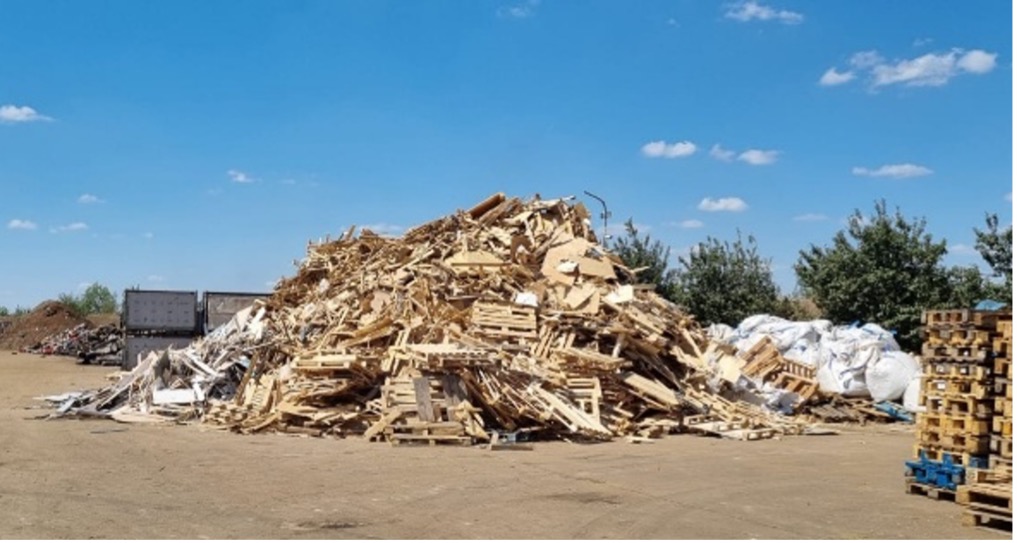
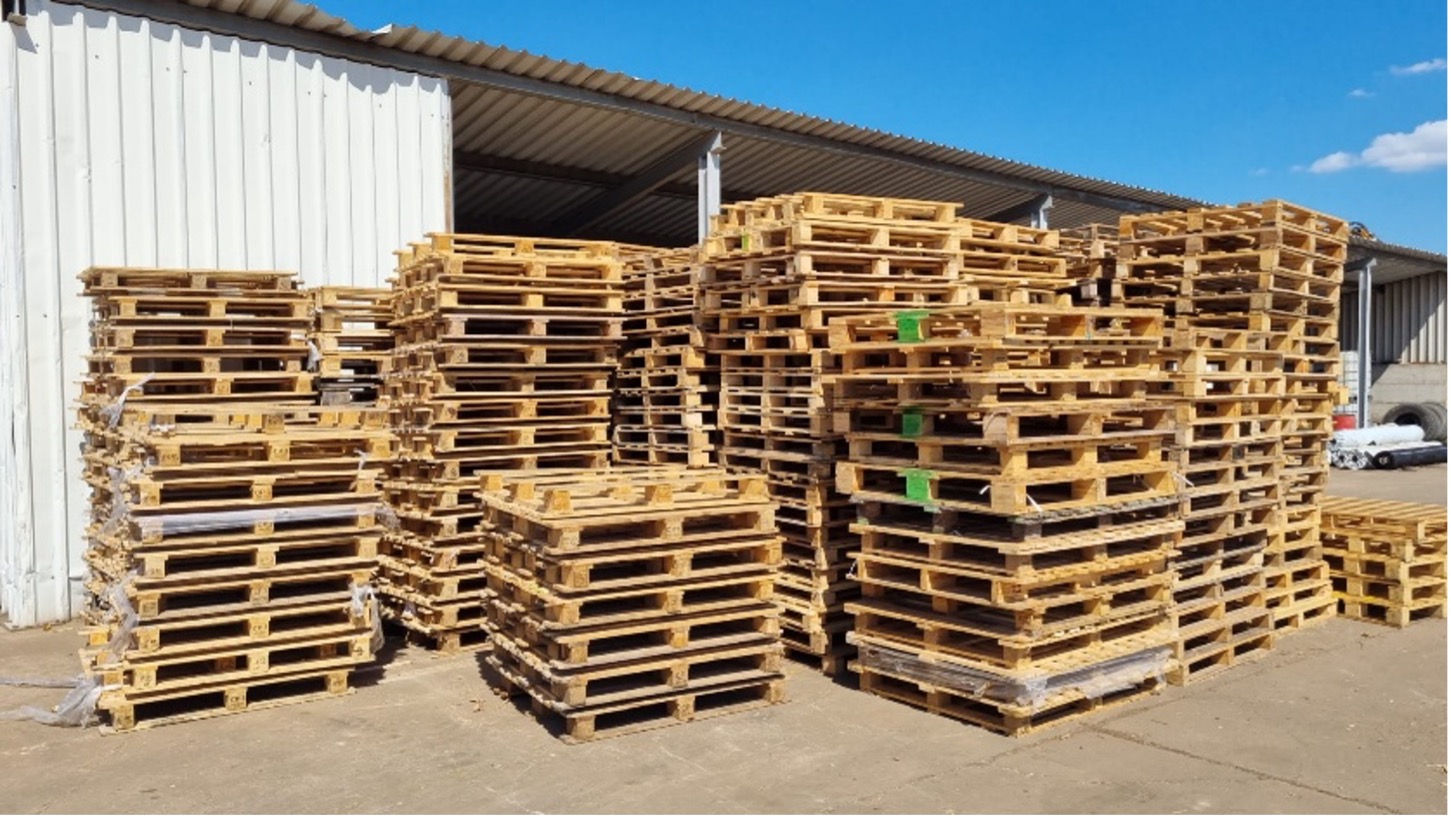
We collect used pallets and waste wood. This service is a way for interested companies to save money, free up blocked space and conserve natural resources.
We aim to eliminate waste and protect the environment.
The collection of used pallets and waste wood is carried out according to the requirements of environmental legislation.
Wood recycling is an important environmental practice, full of interesting facts, from its surprisingly high recovery rates in industry to the variety of new uses it has.
Percentages and efficiency
- High industrial recovery rate: In the wood industry, the waste recovery rate reaches about 83.6%, which is much higher than in other industrial sectors.
- Almost all of it is used: about 85% of the collected wood goes through a proper recycling process, while the rest, which is not suitable for recycling, is often used as fuel to generate energy in specialized plants.
Surprising uses for recycled wood
- Animal bedding: Recycled wood can be made into warm, absorbent bedding for animals such as horses, birds or rodents.
- Mulch and fuel: Strips or chips of recycled wood are used as mulch to prevent weed growth in gardens, and as solid biofuel for heating plants and boilers.
- New materials: high quality recycled wood is transformed back into raw material to produce chipboard (chipboard, MDF), contributing to the circular economy.
Challenges and impact
- Chemicals are a barrier: Wood treated with paints, varnishes or other chemicals can generate toxic gases through combustion and is often not recycled by conventional methods because of the negative effects of these solutions.
- Saves energy: Recovered wood processing usually has a lower carbon footprint because it bypasses the energy-intensive stages of harvesting and initial processing of virgin raw material.
- Protects forests: Recycling wood is essential for the preservation of our forests, which provide habitats for animals, help prevent landslides and absorb carbon dioxide, giving off oxygen.
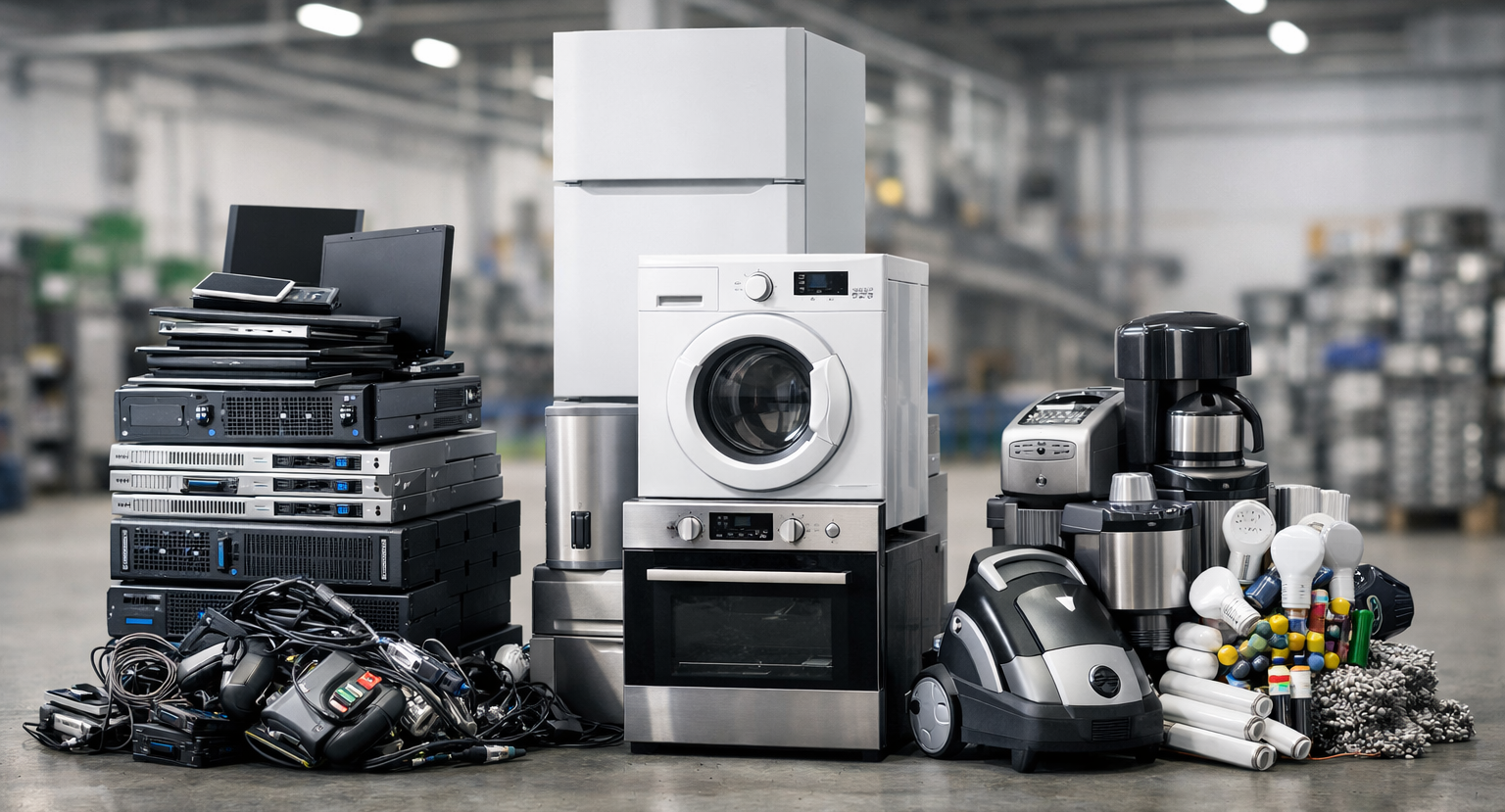
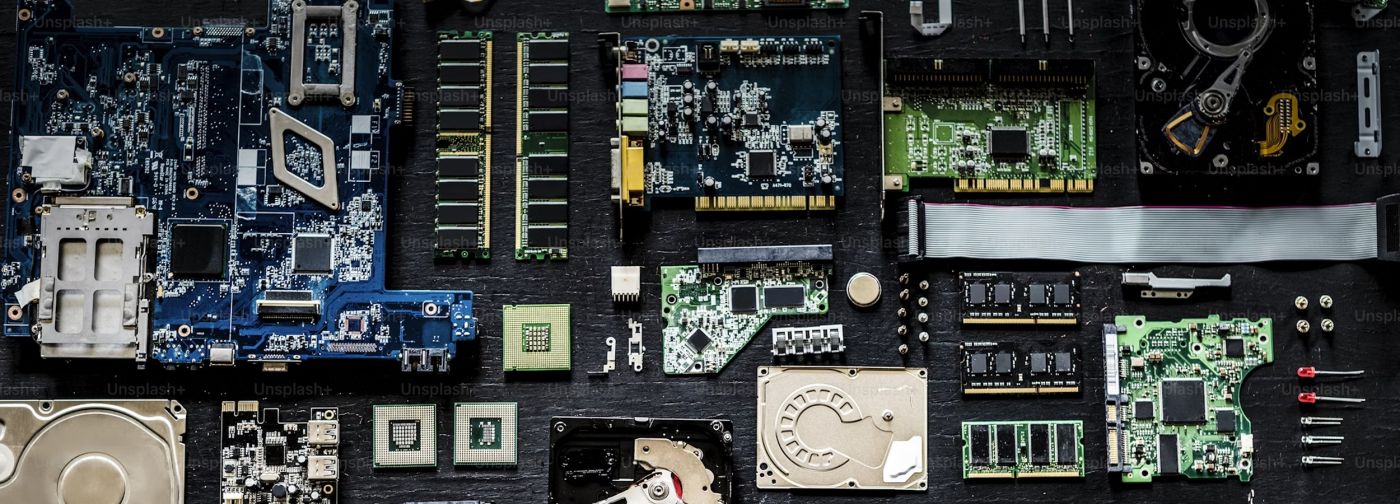
E-waste is becoming an increasingly significant part of the types of waste generated, and its collection and recovery is also a complex process.
The REMATINVEST we have defined our own processes and built the necessary infrastructure to collect and capitalize on them, respecting the highest standards and protocols.
Here are some interesting facts and relevant facts:
„The gold mines in our pocket"
- Precious metals: cell phones and electronic boards contain significant amounts of gold, silver, copper and palladium.
- Efficiency: It is estimated that up to 50 times more gold can be extracted from a ton of old phones than from a ton of raw gold ore.
- Recovery rate: Electrical equipment has a very high recycling-reuse rate, between 85% and 90%.
Environmental impact
- Hazardous substances: A single cathode ray tube from an old TV can pollute 50 square meters of soil for 30 years if not properly recycled.
